
Flu, RSV and COVID-19 rise together in winter because cold temperatures, dry indoor air and closer contact create ideal conditions for all respiratory viruses to spread more easily.
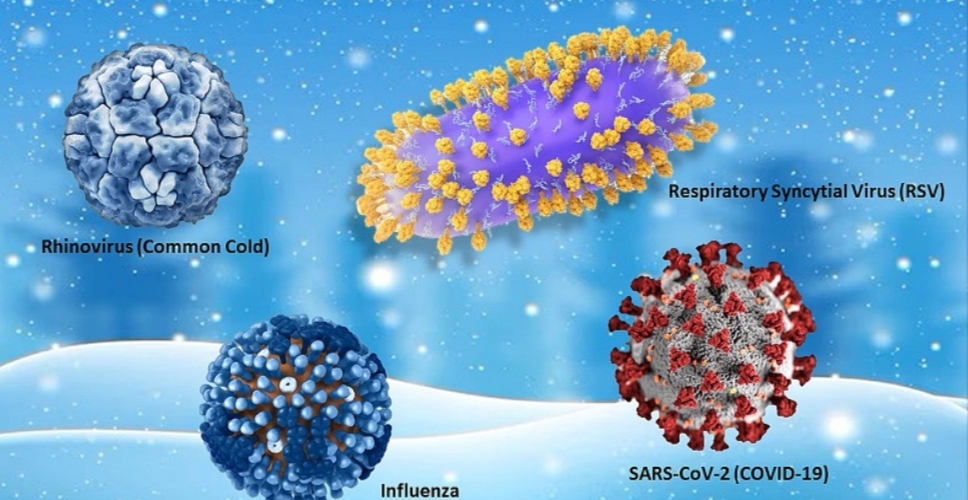
Respiratory viruses circulate all year, but winter changes the pattern. During the colder months, influenza, RSV and COVID-19 rise at the same time, often reaching high levels across communities. This overlap increases pressure on hospitals and clinics, especially during peak weeks.
Influenza remains one of the most active winter viruses. It spreads quickly in indoor settings and can create sharp waves of infection.
RSV also climbs each winter and can cause serious illness in infants, older adults, and people with weak immune systems.
COVID-19, though present year-round, continues to surge during cold weather as people gather indoors.
Alongside these major viruses, several other respiratory infections also increase during autumn and winter.
Rhinovirus, adenovirus, human metapneumovirus (hMPV) and parainfluenza circulate in waves that can overlap with flu and RSV.
These viruses often cause similar symptoms, which makes it difficult for people to know what they are dealing with without testing.
The seasonal rise happens for a few key reasons. Dry winter air helps viruses stay in the air longer. People spend more time indoors with limited ventilation.
Schools, workplaces and public spaces create conditions where viruses move easily from person to person. These combined factors allow multiple infections to peak at once.
Health officials use surveillance systems to track these viruses throughout the year.
Monitoring helps hospitals prepare for increases in patients and guides vaccine recommendations. Early data often signals when a wave is approaching, giving communities time to adjust.
Prevention remains important, especially during months when several viruses surge at once.
Vaccines for flu, COVID-19 and RSV, where recommended, help reduce severe illness. Staying home when sick, improving ventilation and washing hands regularly also lower spread.
Understanding these seasonal patterns helps people plan ahead. Winter brings familiar challenges each year, but awareness and timely action help reduce the overall impact.
