
Discover how NFC, facial recognition, QR codes, and AI enable a 10-second event check-in system and eliminate queues at large-scale events.
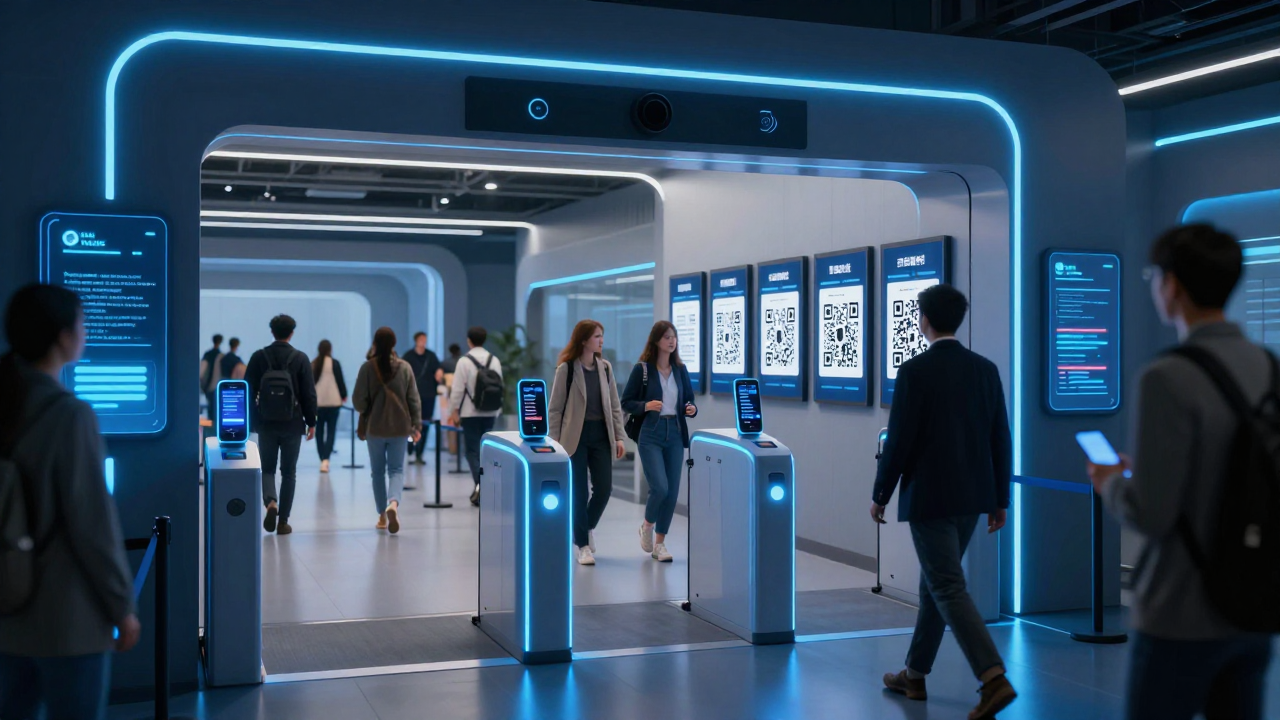
Queues in large-scale events are inevitable. Wrong. It depends on the system you have in place to deal with large crowds. The biggest mistake event planners make is not paying enough attention to the event technology they use.
A poorly managed check-in can cost you significantly. Attendee experience- bad, brand reputation- worse, security- barely there, and revenue- gone for a toss.
All this can change if you choose your event check-in technology wisely. Also, every type of tech doesn’t go with every type of event.
Event management research from Event Industry Council shows that the first interaction attendees have with an event significantly shapes their perception of the entire experience. A slow, confusing check-in process can damage satisfaction before the event even begins.
Read this post to find out how you can make the best choice of an event check-in system for your next event. Also, what options do you have?
Why Event Check-In Matters So Much?
The best way to understand why event check-in matters so much is to first understand the psychology of attendees when they arrive at an event. This will also give you an idea about the things they quickly notice at the venue.
First Impressions: When attendees come to the event, their excitement is at its peak. They want to dive straight into the event experience.
They are eager to witness their favourite stars performing or listen to their favourite speakers talk. Or, even if they may just have come to eat and shop, they want to get going without wasting any time.
At this point, if they find a long check-in line and an overwhelming crowd rushing to get in, their excitement immediately drops.
Hopelessness and impatience take over. They get a sinking feeling that all their expectations from the event were just hogwash, and their time at the venue would just be a struggle!
What All Makes Attendees Feel So Lost?
Besides long lines, there are a couple of other things that attendees take quick notice of. These aren’t particularly helpful in creating a strong first impression:
Overworked Staff:
There’s a reason why hospitality staff around the world are trained to receive guests properly. Besides just speaking warmly, they need to look relaxed and welcoming as well.
But they can’t do that if the systems deployed for them to handle are a huge pain.
Imagine how a staff member’s face would look if they were answering one query after another for an hour without a break, and the crowd only keeps growing because people are utterly confused.
Wearing that warm smile will quickly go from natural to fake to eventually vanish. People notice this, and they feel that something is off.
Confused Faces:
When you move towards check-in, you get a long shot of the crowd that’s already there. The ideal scenario is when you see a fast-moving crowd, a smooth process, and no hold-ups anywhere. The other one is not that pleasant.
Confused faces, bottlenecks, and clueless people waiting to get into the event as soon as possible. The latter puts you off. With every step you take, your excitement starts giving way to anxiety.
Missing Signage:
This is one of the most terrible mistakes organizers can make. Attendees can’t possibly function on gut instinct to navigate the event venue.
They need some guidance and instructions to move in the right direction. When they don’t know where to go, they gather at the wrong spots, creating more bottlenecks.
Long Per-Attendee Check-In Time:
Imagine if checking in every attendee takes 10 minutes. Even if there are 10 attendees in line, how much would the last person have to wait to reach the counter?
This only becomes worse as the line keeps getting longer. When attendees see this, they know they signed up for a struggle, not an experience.
Where Does the Event Check-In Technology Step In?
Event check-in technology solves these problems wonderfully. Of course, it still needs a team to keep everything running smoothly, but it handles most of the tough work.
Its highlight is that it speeds up processes that eat up most of the time, like manual verification. No elaborate forms or lengthy checks are needed. In the section ahead, we’ll see how these technologies work.
Read Also: Exploring Biometrics in Identity Verification: A Comprehensive Guide
Understanding the Different Types of Event Check-In Technology
Getting people through the door fast starts with choosing the right tools. Here is a breakdown of the different types of event check-in technologies powering the zero-queue experience.
NFC (Near Field Communication)
NFC is a contactless event check-in method. Attendees tap a chip-enabled badge or phone against a reader.
The whole thing takes under a second. No scanning, no typing. It works even in crowded, noisy environments where speed matters most.
Facial Recognition
This event check-in technology identifies attendees the moment they approach a camera. No badge needed. The system matches a live face against pre-registered photos. It is the closest thing to invisible verification available today.
Event Apps
A well-built event app puts event registration and access in one place. Attendees download it, complete their details ahead of time, and walk in ready.
The app handles confirmations, schedule updates, and real-time notifications throughout the day.
QR Codes
QR codes remain one of the most widely used forms of event check-in systems. Each attendee gets a unique code. Staff scans it in under three seconds. Simple, low-cost, and reliable across almost every device.
AI
AI connects everything. It monitors queue patterns, flags bottlenecks, and adjusts staffing in real time.
A smart contactless event check-in setup powered by AI does not just process people faster. It learns from each event and gets better every time.
What Does a Zero-Queue Experience Feel Like: The Real Impact of Event Check-In Technology
No line. No frustration. Attendees walk in and get straight to what matters.
- The energy in the room shifts immediately. People arrive relaxed, not frazzled from waiting.
- Staff spend less time managing chaos and more time helping guests.
- A smooth event check-in builds trust before the first session even starts.
- Faster entry means better first impressions. That sets the tone for everything that follows.
- When the event check-in system works well, nobody notices it. That is exactly the point.
Read Also: How HR Teams Can Adapt Policies For The Remote Work Era
The Bottom Line:
The zero-queue event experience sounds like a dream. Event check-in technology can make it a reality. QR-codes, NFC, facial recognition, event apps, and AI can change how your event feels to attendees.
From a complicated, process-based affair, it can feel like a smooth walk-in experience. The only thing you’ve got to do for this is invest in contactless event check-in.
It takes away the burden of physical verifications from your staff. It eases out the waiting lines and gives organizers a ton of useful data, too. Your zero-queue event awaits you! The key is the right event tech.
Follow The World Beast for expert insights on event technology, AI innovations, and digital solutions transforming global conferences, concerts, and large-scale experiences.
