
Not sure which solar panels suit your roof? Use this guide to choose the right system before requesting a solar installation quote.
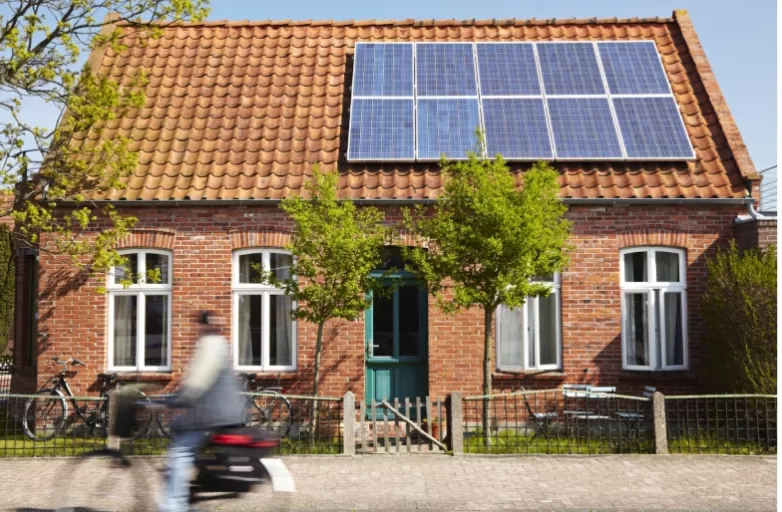
Flat roofs allow adjustable solar panel angles
Thinking of going solar? Good move. But before you compare brands or prices, pause and look up. Your roof matters more than you think.
When it comes to solar, one truth stands tall. There is no “one solar panel fits all” solution. Your roof decides a lot. Sometimes everything. This guide breaks it down. Simply. Clearly. Roof by roof.
Why Roof Type Is the First Thing Installers Check
Solar panels don’t float in the air. They sit on your roof for 25 years or more. Thorough research and a proper understanding of options that gel well with your roof help save expense and maximise efficiency.
So installers must first ask:
- What material is the roof made of?
- Is it flat or sloped?
- How strong is the structure?
- How much sunlight does it get?
Answer these, and the right solar panel choice becomes obvious. But when you ignore this step, problems are bound to follow later.
Here below, we’ll go over each roof type and discuss why each works.
Flat Concrete Roof (Most Common in India)
This is the easiest roof type for solar. Also, it is the most flexible.
Why flat roofs work well
- Solar panels can be tilted for the best sun angle
- Direction can be adjusted easily
- Cleaning and maintenance are simple
Most Indian homes fall into this category.
Panel choice that works best
- Standard mono or polycrystalline solar panels
- Elevated mounting structures
- Wind-rated frames (important in coastal areas)
Flat roofs also allow future expansion. You have the option to start small and add later. This is why installers love concrete terraces.
Sloped Tiled Roofs (Clay or Cement Tiles)
These roofs look great, but they need extra care.
What makes tiled roofs tricky
- Drilling can crack tiles
- Improper mounts cause leaks
- Load distribution matters
Still, solar is very much possible.
Smart panel selection tips
- Lightweight solar panels preferred
- Rail-based mounting systems
- Fewer penetrations into tiles
Installers often replace a few tiles with mounting hooks. If done right, leaks are not an issue.
The key? Experience. Not shortcuts.
Metal Sheet Roofs (Sheds, Factories, Some Homes)
Metal roofs are solar-friendly. Typically, found on sheds, factories, and at times, a few houses, these roofs come with their own pros and cons.
Pros of metal roofs
- Strong structure
- Easy mounting
- Good airflow under panels
Things to watch out for
- Roof thickness
- Rust protection
- Heat expansion gaps
Ideal panel setup
- Clamp-based mounting (no drilling)
- Panels with good temperature performance
- Anti-corrosion hardware
Metal roofs heat up fast. Solar panels that handle high temperatures perform better here.
Asbestos Roofs (Still Seen in Older Homes)
This needs honesty. Asbestos roofs are fragile and unsafe when drilled.
So, can solar be installed on the asbestos roofs?
Technically yes. Practically risky.
Most installers recommend:
- Replacing asbestos sheets first
- Or building a separate elevated structure
Panel choice alone cannot fix a weak roof. If your roof cracks, panels don’t matter.
RCC Roof with Limited Load Capacity
Not all concrete roofs are equal. Older buildings or poorly constructed slabs may have:
- Lower load tolerance
- Water seepage risks
- Cracks already present
How solar panel choice changes here
- Lightweight panels
- Fewer panels with higher efficiency
- Optimised spacing
Sometimes, fewer high-efficiency panels are better than many cheap ones. Less weight. Same output.
Roof Size and Shape: Bigger Is Not Always Better
Misconceptions must be tackled. Large roof? Great, but shape matters too.
Common challenges
- Water tanks
- Staircase rooms
- Dish antennas
- Uneven levels
Panel layout software helps here. Good installers simulate shading and spacing before finalising solar panel count.
Remember the important rule: Panel choice adjusts based on usable area. Not the total area.
Roof Direction: North, South, East, West
This is where myths still survive.
What actually works
- South-facing roofs give the highest output
- East and west still give 85–90% output
- Flat roofs bypass direction issues entirely
Panel choice does not change much here. However, the mounting angle does. India’s sunlight is generous. Direction matters less than people think.
Roof Strength and Wind Conditions
We have variable weather conditions. India sees:
- High-speed winds
- Heavy storms
Amidst all, solar panels must stay put. So, a proper installation of the right material is a must.
What to insist on
- Wind-rated mounting structures
- Cyclone certification (150 km/h or more)
- Proper anchoring method
Panel quality matters. But mounting quality matters more. Panels don’t fail often. Poor structures do.
Roof Access and Maintenance Reality
Think long term. Ask yourself:
- Can I easily reach the solar panels?
- Can cleaning be done safely?
If access is difficult:
- Choose panels with good dust tolerance
- Use layouts that allow walking space
Maintenance should not feel like mountain climbing.
Apartment Roofs and Shared Terraces
Individual flats rarely get full roofs. That’s okay.
What works here
- Society-level solar systems
- Panels, power lifts, pumps, and common lights
- Savings reduce maintenance bills
Panel choice focuses on:
- Durability
- Consistent output
- Centralised monitoring
Individual solar panel choice matters less than system design.
A Simple Roof-to-Panel Match Table
| Roof Type | Best Panel Approach |
| Flat concrete | Standard panels + tilted mounts |
| Tiled sloped | Lightweight panels + careful mounts |
| Metal sheet | Clamp-mounted panels |
| Weak RCC | Fewer, high-efficiency panels |
| Apartment roof | Durable panels, central inverter |
Final Word
Most buyers start by asking, “Which panel brand is best?” However, the better question is: “Which panel suits my roof?” Your roof decides:
- Solar panel type
- Mounting method
- Cost
- Long-term performance
Get the roof assessment right. Everything else falls into place. Solar works best when it works with your roof. Not against it.
Thinking about installing solar panels? Stay informed with expert energy guides, cost breakdowns, and sustainable living insights at The World Beast.
