
EU considers €93bn tariffs and market restrictions on US firms after Trump’s Greenland threat sparks transatlantic crisis.
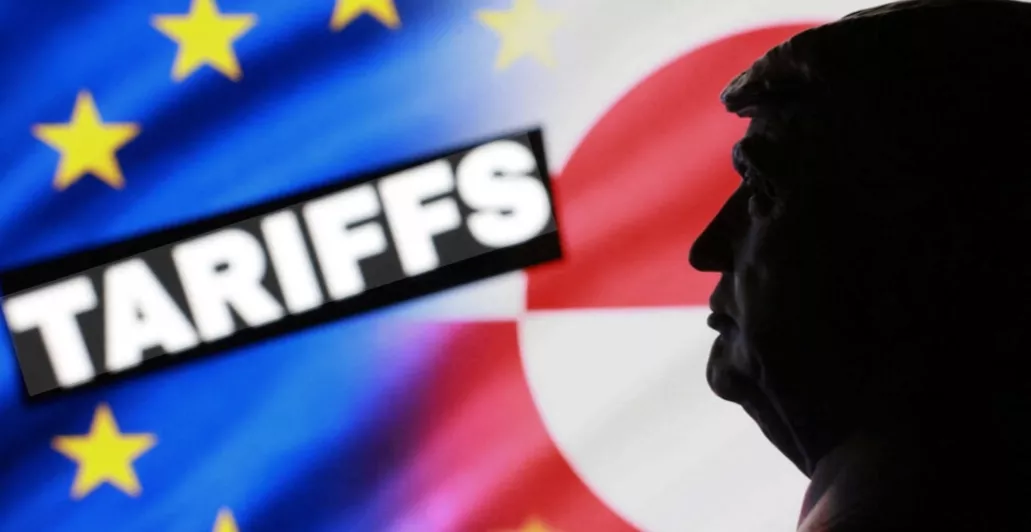
Europe weighs retaliation as Greenland dispute strains US ties
Europe Prepares €93bn Trade Retaliation Over Trump’s Greenland Pressure
European Union leaders are preparing a €93 billion retaliation package against the United States after Donald Trump threatened NATO allies over their opposition to his campaign to assert control over Greenland, pushing transatlantic relations toward their most dangerous rupture in decades.
Officials across EU capitals confirmed that the bloc is weighing punitive tariffs and potential restrictions on American companies operating inside the single market, signaling a sharp escalation in response to what European diplomats describe as economic and political coercion.
Retaliation Designed to Pressure Washington Before Davos Talks
The retaliation measures are intended to strengthen Europe’s negotiating position ahead of high-stakes meetings with Trump at the World Economic Forum in Davos, where EU leaders hope to de-escalate the standoff without triggering a full-scale trade war.
According to officials involved in the preparations, the goal is to create leverage while preserving room for compromise. A senior diplomat warned that a breakdown in talks could severely undermine NATO unity and expose Europe to long-term security risks.
Tariff List and Anti-Coercion Tool Back on the Table
The €93bn tariff list was originally drafted last year but placed on hold to avoid an immediate confrontation. EU ambassadors revisited the proposal on Sunday, agreeing that it could be reactivated after February 6 if diplomatic efforts fail.
Alongside tariffs, Brussels is considering deploying its anti-coercion instrument (ACI)—a powerful trade defense tool that allows the EU to restrict access to its internal market for companies from countries accused of applying economic pressure.
The European Commission describes the ACI as a safeguard against attempts to force political concessions through trade threats.
Trump’s Greenland Demand Sparks Alarm Across NATO
The crisis intensified after Trump demanded approval from Denmark to take control of Greenland, a territory of growing strategic importance due to its Arctic location and military relevance.
On Saturday, Trump escalated tensions further by vowing to impose 10% tariffs by February 1 on goods from the UK, Norway, and six EU countries that participated in a NATO military exercise on the island.
Security analysts warn that the dispute risks weakening NATO’s deterrence posture at a time when Arctic geopolitics are becoming increasingly volatile.
“Mafioso Methods,” Says EU Diplomat
European officials did not hide their frustration. One diplomat briefed on the discussions described Trump’s tactics in stark terms:
“There are clear retaliation instruments at hand if this continues. He is using pure mafioso methods. At the same time, we want to call for calm and give him a chance to climb down.”
The comment underscores the delicate balance EU leaders are attempting to strike—projecting strength without provoking irreversible damage to the alliance.
Why the Greenland Dispute Matters Globally
Greenland sits at the crossroads of future Arctic shipping routes, critical mineral access, and military positioning, making it a focal point of great-power competition.
Analysts at Reuters and the Financial Times note that the confrontation marks a shift from traditional trade disagreements to a broader struggle combining economic leverage, territorial ambition, and alliance politics.
If enacted, the EU’s €93bn retaliation could:
- Disrupt global supply chains
- Trigger counter-tariffs from Washington
- Shake financial markets
- Redefine EU-US relations for years
Stay ahead of global power shifts—follow The World Beast for trusted analysis on geopolitics, trade wars, and international security.
