
How Sylvester Stallone’s Rambo: First Blood redefined action films with realism, trauma, and cultural impact.
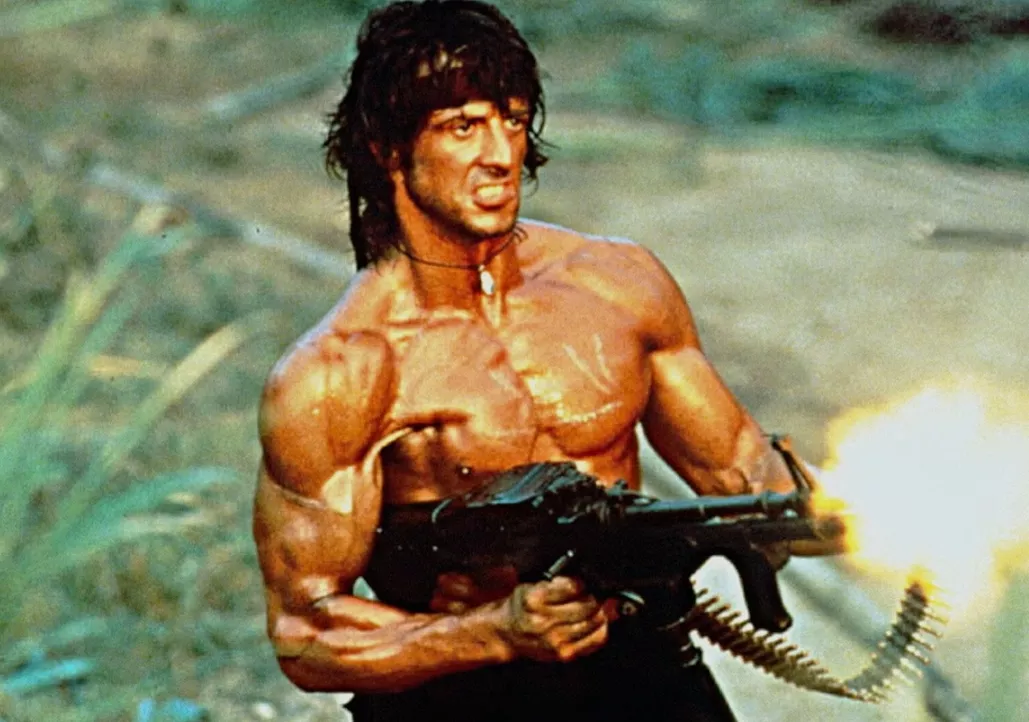
Sylvester Stallone delivers a powerful performance in Rambo: First Blood
Why Rambo: First Blood Still Matters Today
When Rambo: First Blood arrived in theaters in 1982, audiences expected another high-octane action film starring Sylvester Stallone.
What they received instead was a layered, emotionally charged story that challenged the definition of the action genre.
Unlike later sequels, First Blood focused on psychological trauma, alienation, and the aftermath of war. Stallone’s portrayal of John Rambo, a Vietnam veteran struggling to reintegrate into civilian life, struck a nerve with audiences and critics alike.
Sylvester Stallone’s Most Human Performance
While Sylvester Stallone later became known for larger-than-life action roles, his performance in First Blood remains one of the most restrained and emotionally raw in his career.
Rambo speaks very little throughout the film, allowing body language, silence, and emotional tension to tell the story.
The climactic breakdown scene stands as one of the most powerful moments in action cinema history.
According to The Hollywood Reporter, the film succeeded because it framed Rambo not as a villain or superhero, but as a man failed by the system.
The True Meaning Behind First Blood
At its core, Rambo: First Blood is not about combat—it is about conflict without purpose.
The story explores:
- Veteran mistreatment after war
- Authority abuse
- Mental health stigma
- Social isolation
Film scholars from Vanity Fair have noted that the movie reflects post-Vietnam America’s struggle to acknowledge returning soldiers, making it as much a social commentary as an action thriller.
How First Blood Changed Action Movies Forever
Before Rambo, action films often relied on exaggerated heroes and simple morality. First Blood introduced moral ambiguity.
Its success influenced:
- Grittier action narratives
- Emotion-driven heroes
- Character-first storytelling
Empire Magazine credits First Blood with laying the foundation for modern action films that balance intensity with psychological depth.
From Standalone Film to Cultural Phenomenon
Although later Rambo sequels emphasized explosive spectacle, First Blood stands apart as the franchise’s most critically respected installment.
Ironically, the film that launched one of Hollywood’s most aggressive action franchises remains its quietest and most thoughtful chapter.
Today, critics and fans increasingly revisit First Blood as a film that was ahead of its time—both politically and emotionally.
Why Audiences Are Rediscovering Rambo: First Blood
In an era focused on realism and character depth, First Blood feels surprisingly modern.
Streaming platforms, film retrospectives, and social media discussions have reignited interest, especially among younger viewers discovering that Rambo was never meant to be just an action icon—he was a tragic figure.
Discover more legendary film stories, Hollywood deep dives, and iconic performances—only on The World Beast.
