
Africa is battling a worsening cholera emergency, with infections reaching their highest point in 25 years and spreading across multiple regions. Experts warn a sharp rise in cholera cases is pushing Africa into its worst outbreak in decades, prompting urgent calls for stronger health measures. Here’s what the latest data reveals.
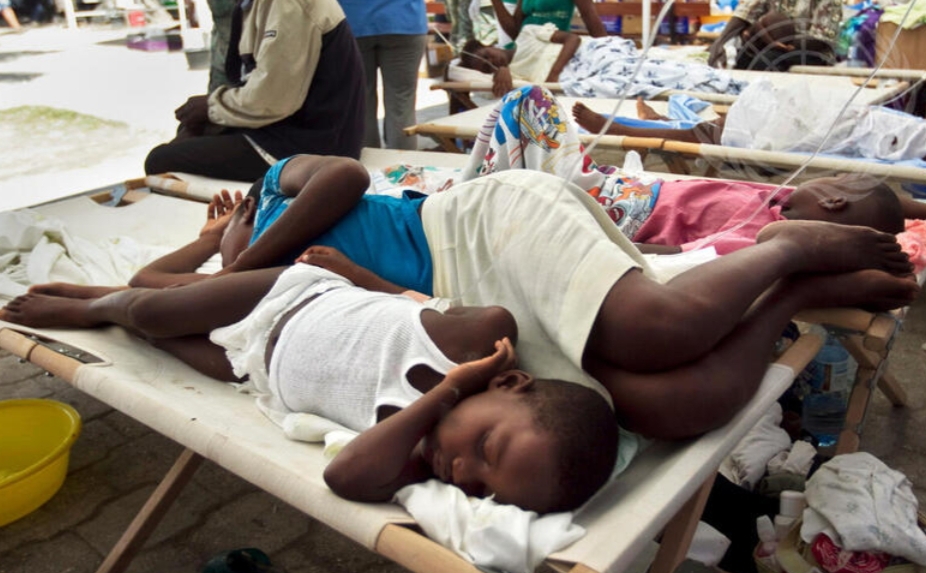
Africa is experiencing its most serious cholera outbreak in 25 years, with cases rising sharply in several countries, health officials said Thursday.
New figures from the Africa Centres for Disease Control and Prevention (Africa CDC) show more than 300,000 cholera cases have been reported so far this year.
Last year, the continent recorded about 254,000 cases. More than 7,000 deaths have occurred across multiple regions.
The data reflects a rise of more than 30 percent in total cases compared to last year.
Africa CDC Director General Jean Kaseya said the trend is deeply concerning. “Cholera is still a major issue,” he told reporters. “It’s like every year we have more and more cases.”
Recent surges in Angola and Burundi have been linked to poor access to safe water, according to the agency. Health officials say this has created conditions that allow the disease to spread quickly.
Cholera is a dangerous disease that can be fatal without immediate treatment. It spreads rapidly when sewage systems break down and drinking water becomes contaminated.
In the Democratic Republic of Congo, health authorities say the outbreak is coming under control, with case numbers declining. South Sudan and Somalia have also reported better conditions in recent weeks.
But conflict zones remain a major concern. Overcrowded camps and limited sanitation allow the disease to spread rapidly.
In Sudan’s Darfur region, at least 40 people had died from cholera by August, with refugee camps suffering heavy impact.
Doctors Without Borders (MSF) said Sudan is facing its worst cholera outbreak in years.
The ongoing war has damaged critical infrastructure, including water treatment plants and sewage systems.
Major cities such as Khartoum have been turned into active conflict zones, further limiting access to clean water and medical care.
Africa CDC officials say the rise in cases is closely tied to poor access to safe water and the ongoing conflicts that disrupt essential services. They warn that without stronger water systems and better sanitation, outbreaks will continue to grow.
