
A new Kin report reveals climate risk and rising insurance costs are driving major homeownership and relocation decisions across the U.S.
Climate Concerns Now Drive Where Americans Choose to Live
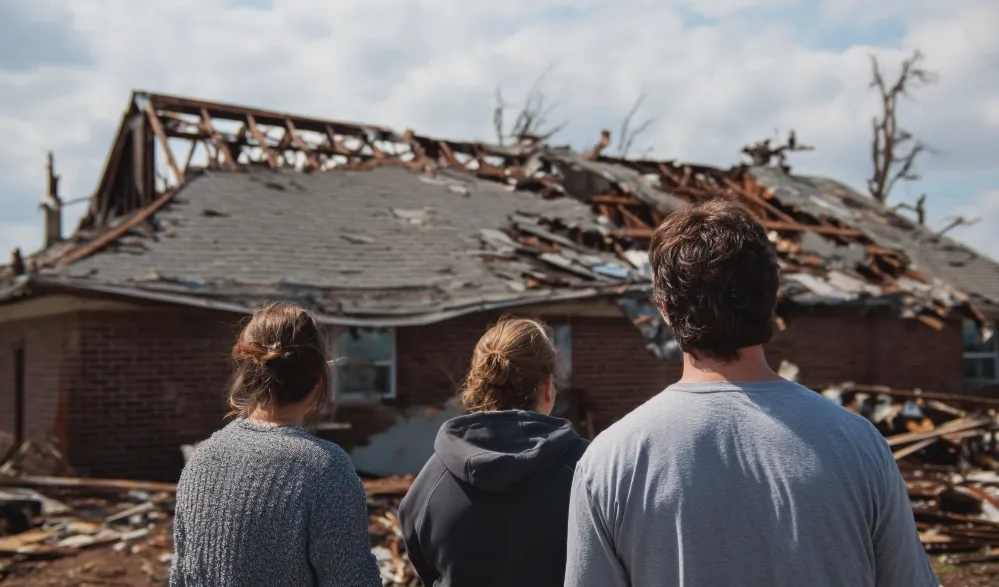
Climate risk and insurance premiums are reshaping American housing decisions
Climate change has moved from a background worry to a central housing factor for millions of Americans.
A new homeownership trends report from Kin, a direct-to-consumer digital home insurance and finance provider, shows that environmental risk and rising ownership costs are increasingly shaping where Americans choose to live and invest.
The inaugural study combines survey responses from 1,000 U.S. homeowners with extensive market data to reveal a housing market undergoing a fundamental shift — one driven as much by climate anxiety as by affordability.
Nearly Half of Homeowners Are Considering Moving in 2026
The report finds that relocation is becoming a climate-driven strategy, not just a lifestyle choice.
- Nearly 50% of respondents say they are considering relocating in 2026 due to climate concerns
- 25% of those homeowners are open to moving to a different state entirely
Extreme weather risks — including hurricanes, wildfires, flooding, and heatwaves — are increasingly determining which regions homeowners view as sustainable long-term options.
These States Top the “Avoid” List Due to Extreme Weather
When homeowners were asked which states they would avoid because of climate risk, the results were striking:
- Florida – 58%
- California – 52%
- Hawaii – 24%
- Louisiana – 22%
- Texas – 21%
- Alaska – 21%
Once-popular migration destinations are now being reassessed through the lens of insurance availability, rebuilding costs, and long-term climate exposure are influencing housing demand across traditionally popular markets.
Climate Anxiety Is Nearly Universal Among Homeowners
The data shows climate concern is not limited to coastal or high-risk states:
- 93% worry their home could suffer climate-related damage in the next two to three years
- 68% expect extreme weather events in their area to increase in 2026 compared with 2025
These expectations are directly influencing insurance choices, renovation plans, and relocation timing.
Rising Insurance Costs Are Reshaping Homebuying Behavior
Beyond environmental risks, home insurance premiums have become a decisive financial pressure point.
According to the report:
- Average home insurance premiums rose 24% between 2021 and 2024
- That increase exceeded inflation by 11%
49% say insurance costs weigh very heavily or seriously on buying decisions - 70% say insurance costs matter more today than five years ago
- Only 31% feel confident they can maintain adequate coverage in 2026
- 19% plan to switch insurance providers this year
Insurance costs are now considered alongside price, interest rates, and location — fundamentally altering how Americans assess housing affordability.
Premium Growth Expected to Stabilize in 2026
Despite recent volatility, Kin leadership suggests the steepest insurance hikes may be behind most homeowners.
“Substantial premium increases were the story in 2024, but they weren’t the story in 2025 except for some places like California — and they won’t be the story in 2026,” said Sean Harper, Founder and CEO of Kin.
Harper noted that inflation-driven instability has largely normalized, though climate-exposed regions may continue to face higher-than-average costs.
What This Means for the U.S. Housing Market
The findings point to a long-term structural transformation in American homeownership:
- Climate exposure is reshaping migration patterns
- Insurance affordability is influencing market demand
- Risk-adjusted housing values may diverge by region
- Buyers are prioritizing resilience over short-term savings
For lenders, insurers, developers, and policymakers, climate risk is no longer optional to consider — it is foundational.
Want smarter insights on housing, insurance, and climate risk? Follow The World Beast for data-driven reporting that explains how today’s trends shape tomorrow’s homeownership decisions.
